
How to choose the right vacuum cleaners
Key Features to Look For
When selecting a vacuum cleaner, consider suction power, which is crucial for deep cleaning carpets and picking up debris. Filtration systems, like HEPA filters, are important for trapping allergens and improving air quality, especially for households with pets or allergy sufferers. Look for versatile attachments such as crevice tools, upholstery brushes, and pet hair removers to tackle different surfaces and hard-to-reach areas. Cord length or battery life impacts convenience and coverage. Noise level can also be a factor, particularly if you clean frequently or have sensitive household members. Finally, consider the dustbin capacity and ease of emptying for maintenance.
Types of Vacuum Cleaners
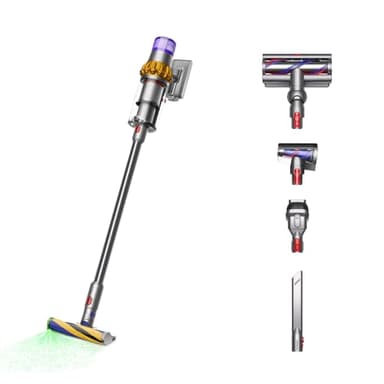
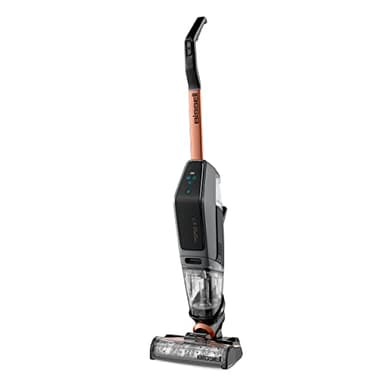
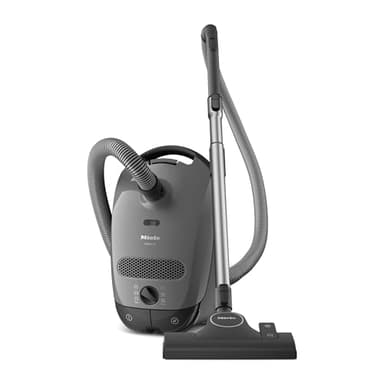
Vacuum cleaners come in several main types, each suited for different cleaning tasks. Upright vacuums are often powerful and good for large carpeted areas. Canister vacuums offer flexibility with a separate powerhead and hose, ideal for stairs, bare floors, and reaching under furniture. Stick vacuums are lightweight and convenient for quick clean-ups on hard floors and low-pile carpets. Robotic vacuums provide automated cleaning, great for daily maintenance. Wet/dry vacuums are designed to handle both liquid spills and dry debris, making them highly versatile for various messes, particularly in homes with pets or active lifestyles.
Sizing and Compatibility
The size and design of your home should influence your vacuum choice. For smaller apartments or homes with limited storage, a compact stick vacuum or a robotic vacuum might be ideal. Larger homes with multiple floor types may benefit from a more powerful upright or canister model with various attachments. Consider the dominant floor surfaces in your home; some vacuums excel on carpets, while others are better for hard floors. Pet owners should look for models specifically designed to handle pet hair and dander. Compatibility with accessories and replacement parts is also worth noting for long-term use.
Understanding Budget Tiers
Vacuum cleaners are available across a wide range of price points, generally reflecting their features, build quality, and brand reputation. Entry-level models typically offer basic suction and fewer attachments, suitable for light cleaning tasks in smaller spaces. Mid-range vacuums often provide improved suction, better filtration, and a wider array of specialized tools, making them versatile for average household needs. High-end vacuums feature advanced technologies like smart navigation, superior filtration, and premium construction materials, often with extended warranties. Your budget should align with your cleaning demands and desired convenience features.
Common Mistakes to Avoid
One common mistake is choosing a vacuum without considering your primary floor types; a carpet-focused vacuum won't perform well on hard floors. Another error is neglecting filtration needs, especially for allergy sufferers, leading to poor air quality. Many people also underestimate the importance of attachments, which greatly enhance a vacuum's versatility. Overlooking the weight and maneuverability can lead to a cumbersome cleaning experience, particularly in multi-story homes. Finally, not checking for easy maintenance, such as filter cleaning and dustbin emptying, can make owning a vacuum more of a chore than a convenience.
Frequently asked questions
How often should I replace my vacuum's filter?
The frequency depends on your vacuum model and usage. Generally, disposable filters should be replaced every 3-6 months, while washable filters need cleaning monthly and replacement annually. Check your vacuum's manual for specific recommendations to maintain optimal performance and air quality.
What's the difference between bagged and bagless vacuums?
Bagged vacuums collect debris in a disposable bag, which is often better for allergy sufferers as it contains dust more effectively. Bagless vacuums use a reusable dustbin that needs to be emptied, reducing ongoing costs but potentially exposing you to dust during disposal.
Can I use a regular vacuum for wet spills?
No, using a regular dry vacuum on wet spills can damage the motor and pose an electrical hazard. For wet messes, you need a specialized wet/dry vacuum cleaner designed to safely handle liquids without causing harm to the appliance or user.
Is suction power more important than brush roll type?
Both are important, but their priority depends on your floor type. High suction is crucial for deep cleaning carpets and picking up fine debris. A good brush roll is essential for agitating carpet fibers to release embedded dirt and for effectively cleaning pet hair from surfaces.
How do I maintain my cordless vacuum's battery life?
To prolong battery life, avoid fully discharging it regularly. Charge it after each use, but don't leave it on the charger indefinitely if the manufacturer advises against it. Store the vacuum in a cool, dry place and follow the manufacturer's specific charging instructions for best results.