



How to choose the right vitamins
Key Features to Look For
When selecting vitamins, prioritize products that clearly list their ingredients and dosages. Look for vitamins with high bioavailability, meaning the body can absorb and utilize them effectively. Consider the form of the vitamin – capsules, tablets, liquids, or gummies – and choose one that suits your preference and ease of consumption. Check for third-party certifications, which indicate that the product has been independently tested for purity, potency, and absence of contaminants. Finally, be mindful of any allergens or artificial additives if you have sensitivities or dietary restrictions.
Types and Formats of Vitamins
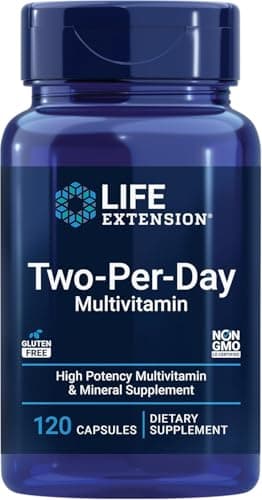
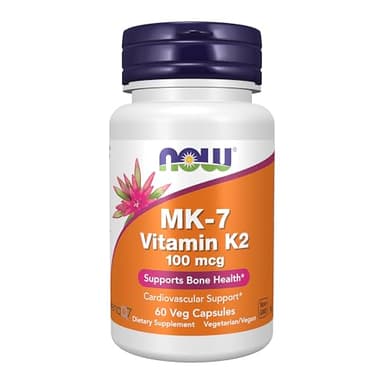
Vitamins come in various forms, each offering different benefits and absorption rates. Multivitamins provide a broad spectrum of essential nutrients in a single dose, often tailored for specific demographics like men, women, or children. Individual vitamins, such as Vitamin D, B-complex, or Vitamin C, target specific deficiencies or health concerns. Formats include traditional pills and capsules, which are widely available and often cost-effective. Liquid vitamins and sprays offer quicker absorption and are easier for those who have difficulty swallowing pills. Gummies are a popular, palatable option, especially for children or adults who prefer a more enjoyable way to take their supplements.
Sizing and Compatibility
Vitamin sizing primarily refers to the dosage and the physical size of the pill or capsule. Dosage should align with your individual needs, which can vary based on age, diet, lifestyle, and specific health conditions. Always consult with a healthcare professional to determine appropriate dosages. For physical size, consider if you or the person taking the vitamin has difficulty swallowing larger pills; smaller capsules, softgels, or alternative forms like liquids or gummies might be more suitable. Compatibility also extends to how vitamins interact with other medications or supplements you might be taking, so it's essential to discuss your full regimen with a doctor.
Budget Tiers Explained
Vitamins are available across a range of price points, generally reflecting ingredient quality, brand reputation, and manufacturing processes. Entry-level options often provide basic formulations from widely available brands, suitable for general nutritional support. Mid-range vitamins typically feature higher-quality ingredients, better absorption forms, and may include some third-party testing. Premium-tier vitamins often come from specialized brands known for rigorous testing, superior ingredient sourcing, and advanced formulations, sometimes catering to specific dietary needs or health goals. While higher prices don't always guarantee better efficacy, they often correlate with greater transparency and purity.
Common Mistakes to Avoid
One common mistake is assuming more is always better; excessive intake of certain vitamins can be harmful. Another error is self-diagnosing deficiencies without professional guidance, leading to inappropriate supplementation. Relying solely on vitamins to compensate for a poor diet is also a pitfall; supplements should complement a balanced diet, not replace it. Ignoring expiration dates or improper storage can reduce a vitamin's potency. Finally, not checking for potential interactions with medications or existing health conditions can lead to adverse effects, making it crucial to consult a healthcare provider before starting any new vitamin regimen.
Frequently asked questions
How do I know which vitamins I need?
The best way to determine your specific vitamin needs is to consult with a healthcare professional. They can assess your diet, lifestyle, and any existing health conditions, and may recommend blood tests to identify potential deficiencies. Self-diagnosing and supplementing without professional advice can sometimes be ineffective or even harmful.
Are natural vitamins better than synthetic ones?
The debate between natural and synthetic vitamins is complex. While some argue that natural vitamins from whole food sources are better absorbed, synthetic vitamins are often chemically identical and can be just as effective. The key is bioavailability and quality, regardless of origin. Look for reputable brands and forms that your body can readily use.
Can I take multiple vitamins at once?
Generally, it's safe to take multiple vitamins, especially if they are part of a balanced regimen recommended by a healthcare provider. However, it's crucial to be aware of potential interactions or exceeding safe upper limits for certain nutrients. Always discuss your full supplement plan with your doctor to avoid adverse effects.
What's the best time of day to take vitamins?
The optimal time to take vitamins can vary. Fat-soluble vitamins (A, D, E, K) are best taken with a meal containing fat to aid absorption. Water-soluble vitamins (B and C) can often be taken any time, but some prefer them in the morning for energy. Always follow the specific instructions on the product label or your doctor's advice.
How long does it take for vitamins to work?
The time it takes to notice effects from vitamins varies widely depending on the specific nutrient, the severity of any deficiency, and individual metabolism. Some effects, like increased energy from B vitamins, might be felt relatively quickly, while others, such as improvements in bone density from Vitamin D, can take months of consistent supplementation.