
How to choose the right wallets
Types and Formats of Wallets
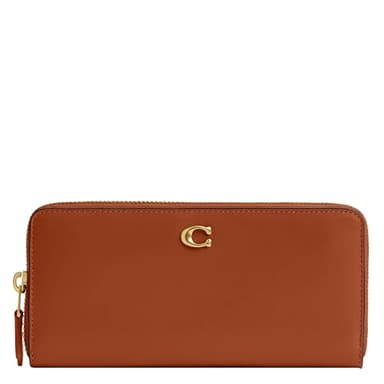
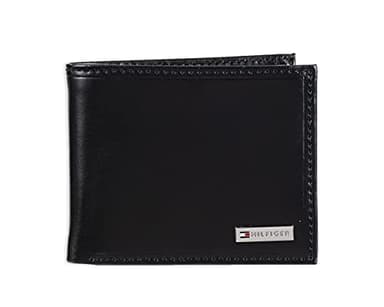
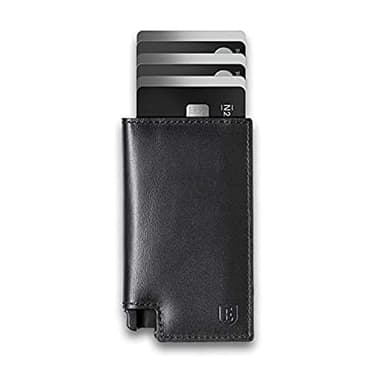
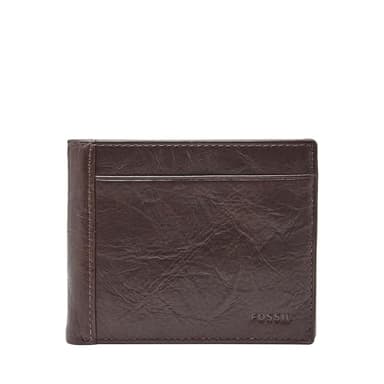
Wallets come in a variety of types, each designed for different needs. Bifold wallets are a classic choice, offering a balance of capacity and portability by folding in half. Trifold wallets provide even more storage but can be bulkier. Slim or minimalist wallets are popular for those who carry fewer cards and prefer a sleek profile. Cardholders are ideal for essential cards only, often without space for cash. For those who carry coins, wallets with dedicated coin pockets or pouches are available. There are also specialized wallets like travel wallets, designed to hold passports and multiple currencies, and tactical wallets, often made from durable, modern materials with unique features.
Sizing and Compatibility
Wallet sizing primarily relates to its dimensions when closed and its capacity. Consider how many cards you typically carry, as well as the amount of cash and any coins. A wallet that is too small will be overstuffed and wear out quickly, while one that is too large might be uncomfortable to carry. Measure the pockets of your most frequently worn pants or jackets to ensure the wallet will fit comfortably without creating an unsightly bulge. For women, consider the size of your preferred handbags or clutches. Compatibility also extends to your daily essentials; ensure there's adequate space for your ID, credit cards, and any other items you regularly carry.
Understanding Wallet Budget Tiers
Wallet prices vary significantly based on materials, brand reputation, and craftsmanship. Entry-level wallets often use synthetic materials or basic genuine leather, offering functional designs without premium finishes. Mid-range options typically feature higher-quality genuine leather, improved stitching, and more refined designs, often from well-known fashion or accessory brands. High-end wallets use premium full-grain leather, exotic materials, or designer branding, emphasizing durability, intricate detailing, and luxury appeal. Your budget tier choice should align with your desired material quality, brand preference, and how long you expect the wallet to last.
Common Mistakes to Avoid
One common mistake is choosing a wallet that's too small for your needs, leading to overstuffing and premature wear. Conversely, selecting an excessively large wallet can be uncomfortable and impractical for daily carry. Another error is neglecting material quality; cheap materials may save money initially but often result in a short lifespan. Many shoppers also overlook the importance of RFID protection, leaving their card information vulnerable. Finally, don't forget to consider your personal style and how the wallet will complement your everyday items. A wallet should be both functional and aesthetically pleasing for you.
Frequently asked questions
What is RFID blocking and do I need it?
RFID blocking technology helps protect your credit cards and passports from electronic pickpocketing. It uses a material that interferes with radio waves, preventing unauthorized scanners from reading your personal information. While not all cards use RFID, it's a good security feature to consider for peace of mind, especially if you carry sensitive documents.
How do I clean my leather wallet?
To clean a leather wallet, gently wipe it with a soft, damp cloth to remove surface dirt. For deeper cleaning, use a small amount of mild leather cleaner applied to the cloth, not directly to the wallet. Always test any cleaner on an inconspicuous area first. Avoid harsh chemicals or excessive water, and let it air dry away from direct heat.
What's the difference between bifold and trifold wallets?
A bifold wallet folds once, creating two sections for cards and cash, offering a relatively slim profile. A trifold wallet folds twice, creating three sections, which generally allows for more storage capacity but results in a thicker wallet. Your choice depends on how many items you carry and your preference for bulk.
How many cards should my wallet hold?
The ideal number of cards depends on your personal needs. Most people carry between 4-8 essential cards, including IDs, credit cards, and debit cards. If you carry more, a bifold or trifold might be suitable. For fewer, a slim wallet or cardholder could be perfect. Avoid overstuffing, as it can damage the wallet and cards.
Are minimalist wallets practical for daily use?
Yes, minimalist wallets are very practical for daily use if you prefer to carry only essentials. They are designed to hold a few cards and some folded cash, reducing bulk and making them comfortable to carry in front pockets. They encourage you to declutter, ensuring you only carry what you truly need.