
How to choose the right earbuds
Key Features to Look For
When shopping for earbuds, prioritize sound quality, which often involves driver size and audio codecs supported. Active Noise Cancellation (ANC) is crucial for blocking out distractions, especially in noisy environments. Battery life, including the charging case, determines how long you can use them between charges. Comfort and fit are paramount for extended wear, so look for various ear tip sizes. Water and sweat resistance are important for workouts or outdoor use. Finally, consider connectivity features like Bluetooth version and multi-device pairing for seamless use across your devices.
Types and Formats of Earbuds
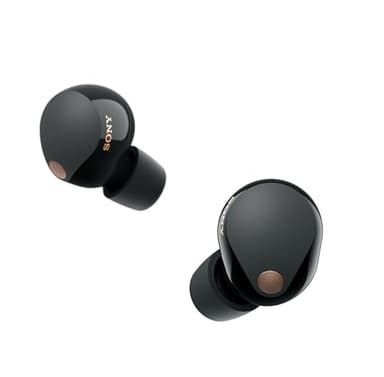
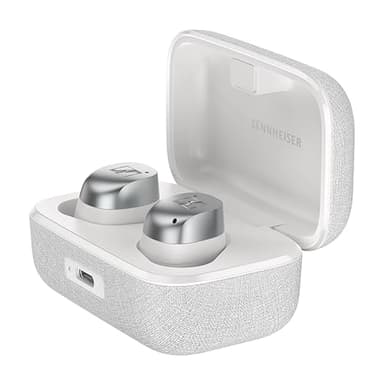
The most common type today is 'true wireless' earbuds, which are completely cable-free and come with a charging case. These offer maximum freedom of movement. Some earbuds feature an 'in-ear' design with silicone tips that create a seal for better sound isolation and bass. Others have an 'open-fit' design that rests in your ear without sealing the canal, which can be more comfortable for some but offers less noise isolation. Consider your primary use case and comfort preferences when choosing between these different formats.
Sizing and Compatibility
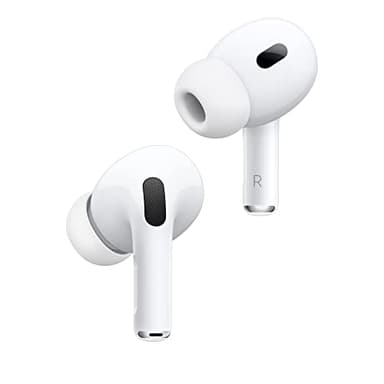
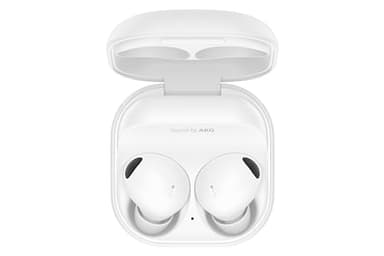
Earbud fit is highly personal and crucial for both comfort and sound quality. Most true wireless earbuds come with multiple sizes of silicone or foam ear tips. Experimenting with these is essential to find the best seal and most secure fit for your ear canals. For compatibility, ensure the earbuds support the Bluetooth version of your devices (phone, tablet, laptop). While most earbuds are universally compatible, some brands offer enhanced features or seamless pairing specifically with their own ecosystem, such as Apple AirPods with iPhones or Samsung Galaxy Buds with Galaxy phones.
Budget Tiers Explained
Earbuds are available across a wide price spectrum, generally falling into three tiers. Entry-level options offer basic functionality, decent sound, and acceptable battery life, suitable for casual listening. Mid-range earbuds introduce features like active noise cancellation, improved audio codecs, and better build quality, providing a significant step up in performance and user experience. Premium earbuds deliver top-tier sound, advanced ANC, extensive customization options, and often superior materials and comfort, catering to audiophiles and demanding users who prioritize the best possible experience.
Common Mistakes to Avoid
One common mistake is neglecting the importance of fit; a poor fit compromises sound quality and comfort. Another error is overlooking battery life, especially if you plan on long listening sessions or travel frequently. Don't assume all earbuds offer effective noise cancellation; research specific models for their ANC capabilities. Forgetting about water resistance can lead to damaged earbuds during workouts or unexpected rain. Finally, not considering your primary use case, such as call quality versus music listening, can lead to dissatisfaction with your purchase.
Frequently asked questions
What is Active Noise Cancellation (ANC) and do I need it?
ANC uses microphones to detect external sounds and then emits anti-noise to cancel them out, creating a quieter listening experience. You'll benefit from ANC if you frequently commute, work in noisy environments, or want to fully immerse yourself in audio without distractions.
How important is battery life for earbuds?
Battery life is very important, especially if you plan on using your earbuds for long periods without access to a charger. Consider both the playtime of the earbuds themselves and the additional charges provided by the charging case to match your usage habits.
Can I use earbuds for phone calls?
Yes, most modern earbuds include built-in microphones for hands-free calling. The quality of calls can vary significantly between models, with some offering advanced noise reduction technology for clearer voice pickup in noisy surroundings. Check reviews for call quality specifics.
What does 'IPX rating' mean for earbuds?
The IPX rating indicates an earbud's resistance to water and dust. For example, IPX4 means it's splash-proof and suitable for workouts, while higher ratings like IPX7 mean it can be submerged in water. This is crucial for durability, especially if you use them during exercise or outdoors.
Are more expensive earbuds always better?
Not necessarily. While premium earbuds often offer advanced features, superior sound, and better build quality, excellent options exist at various price points. The 'best' earbuds depend on your specific needs, priorities, and budget. Focus on features that matter most to you.