

How to choose the right air purifiers
Key Features to Look For
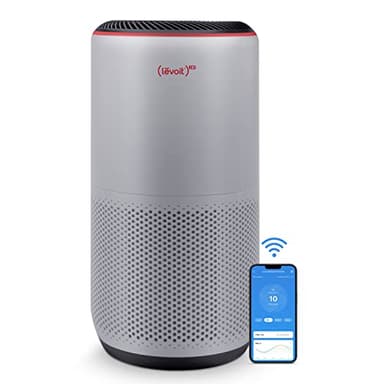
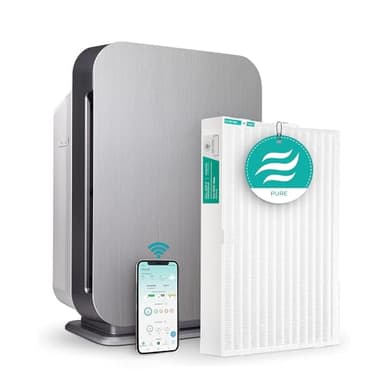
When shopping for an air purifier, prioritize models with a true HEPA filter, which can capture 99.97% of airborne particles 0.3 microns in size. Look for a CADR (Clean Air Delivery Rate) rating that matches your room size, indicating how quickly the purifier cleans the air. Activated carbon filters are crucial for removing odors and volatile organic compounds (VOCs). Consider features like fan speed settings, a timer, and a filter replacement indicator for convenience. Some advanced models offer smart features like app control and air quality sensors, providing real-time data and automated operation.
Types and Formats
Air purifiers come in various types, each with its own benefits. HEPA air purifiers are the most common and effective for particulate matter. Activated carbon purifiers excel at odor and chemical removal. Ionizers and UV-C purifiers are also available, though their effectiveness and safety can be debated; some ionizers can produce ozone, which is an irritant. Combination units, which integrate multiple filtration technologies like HEPA and activated carbon, offer comprehensive air cleaning. Portable units are ideal for single rooms, while whole-house systems can be integrated into your HVAC for broader coverage.
Sizing and Compatibility
Proper sizing is critical for an air purifier's effectiveness. The CADR (Clean Air Delivery Rate) indicates how much filtered air an air purifier delivers for a specific room size. Match the CADR to the square footage of the room where you intend to use it. For example, a bedroom will require a different CADR than a large open-plan living area. Many manufacturers provide recommended room sizes; always choose a model that meets or exceeds your room's dimensions for optimal performance. Consider models with higher CADR if you have pets, allergies, or live in an area with poor air quality.
Budget Tiers Explained
Air purifiers are available across a wide range of price points. Entry-level models typically offer basic HEPA and carbon filtration for smaller rooms, focusing on essential air cleaning without many extra features. Mid-range purifiers often provide higher CADR ratings for larger spaces, more fan speeds, and sometimes smart features or better aesthetics. High-end units usually boast premium designs, advanced multi-stage filtration, smart home integration, and quiet operation. Remember to factor in the ongoing cost of replacement filters, which can vary significantly between models and brands, when considering your overall budget.
Common Mistakes to Avoid
One common mistake is choosing an air purifier that is too small for your room, leading to ineffective air cleaning. Another error is neglecting filter maintenance; filters need regular cleaning or replacement to maintain efficiency, otherwise, the purifier can become a source of pollutants. Overlooking noise levels is also frequent; a loud purifier can be disruptive, especially in bedrooms. Finally, some people mistakenly believe an air purifier can replace proper ventilation; while beneficial, it's not a substitute for opening windows or using exhaust fans when appropriate.
Frequently asked questions
How often should I change my air purifier filter?
Filter replacement frequency depends on the model, usage, and air quality in your home. Generally, HEPA filters should be replaced every 6-12 months, and activated carbon filters every 3-6 months. Always refer to your specific air purifier's manual for precise recommendations to ensure optimal performance and air quality.
Can an air purifier help with pet odors?
Yes, an air purifier equipped with an activated carbon filter can significantly help reduce pet odors. While HEPA filters capture pet dander, it's the activated carbon that absorbs and neutralizes odors from pets, cooking, and other sources, leaving your home smelling fresher and cleaner.
Where is the best place to put an air purifier?
For optimal performance, place your air purifier in the room where you spend the most time, or where air quality is a concern. Position it in an open area, away from walls or furniture that might obstruct airflow. Avoid placing it in corners or behind large objects, as this can hinder its ability to circulate and clean the air effectively.
Do air purifiers use a lot of electricity?
Most modern air purifiers are designed to be energy-efficient, especially when running on lower fan speeds. While higher settings will consume more power, the overall electricity usage is generally modest, comparable to a standard light bulb. Look for models with an Energy Star certification for assurance of their energy efficiency.
What is CADR and why is it important?
CADR stands for Clean Air Delivery Rate, and it measures how quickly an air purifier removes pollutants from a room. It indicates the volume of filtered air delivered by an air purifier, typically for pollen, dust, and smoke. A higher CADR means the purifier can clean a larger room or clean a smaller room more quickly, making it a crucial metric for sizing.