Find the best air purifier for cleaner indoor air
By the BetteReview editorial team · August 15, 2026
As an Amazon Associate, BetteReview earns from qualifying purchases. This doesn't change the price you pay.
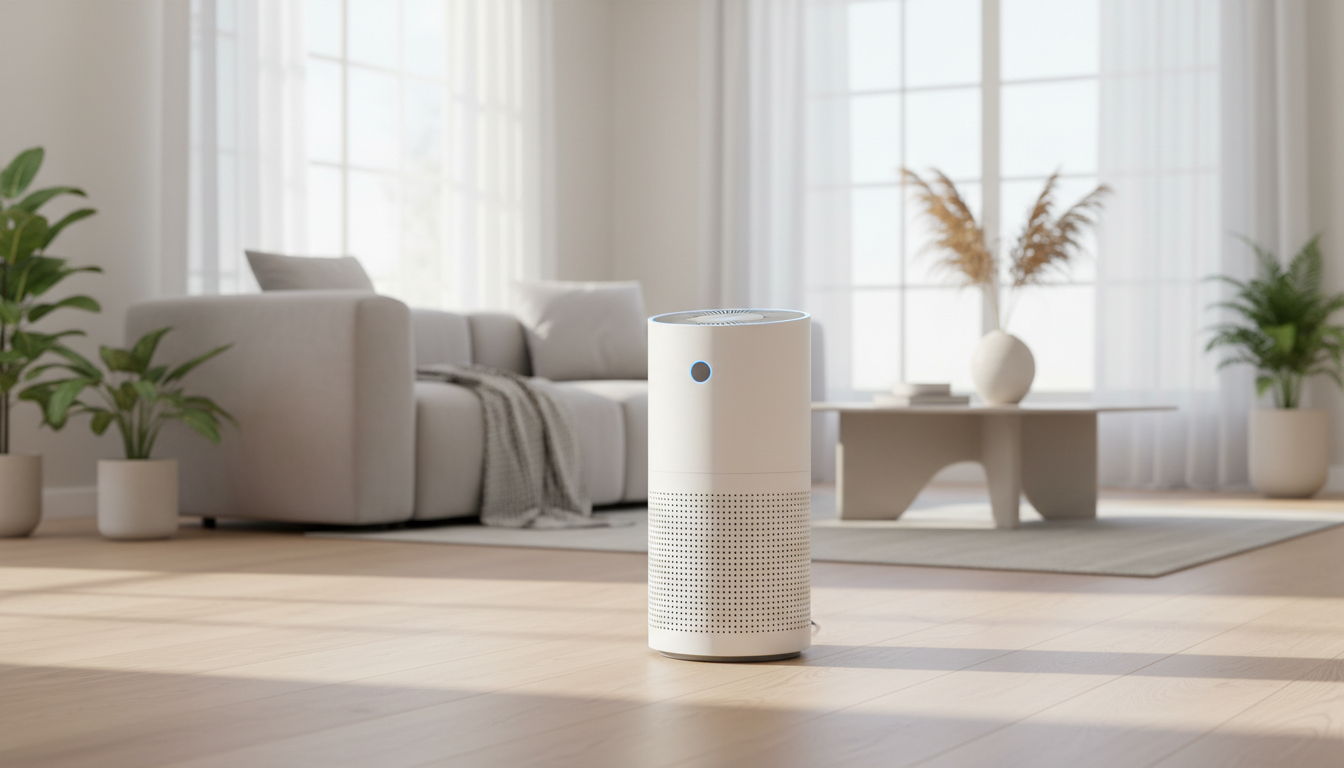
Why Choosing the Right Air Purifiers
Many of us spend a significant portion of our lives indoors, often unaware of the invisible particles we're constantly breathing in. From pet dander and dust mites to pollen, mold spores, volatile organic compounds (VOCs) from cleaning products and furniture, and even airborne viruses, our indoor air can be significantly more polluted than the air outside. This can lead to a range of issues, including exacerbated allergies, asthma symptoms, persistent odors, and a general feeling of stuffiness or discomfort in our living spaces.
The quest for cleaner indoor air isn't just about comfort; it's about creating a healthier environment for ourselves and our families. A well-chosen air purifier acts as a silent guardian, diligently filtering out these unwanted particles, allowing you to breathe easier and potentially experience fewer respiratory irritations. However, with a myriad of models available, understanding what truly makes an air purifier effective is crucial to avoid common pitfalls and make an investment that genuinely delivers on its promise.
What to Look For
When assessing air purifiers, several key specifications and design considerations consistently emerge as critical indicators of performance. The first and arguably most important is the filtration system. A true HEPA (High-Efficiency Particulate Air) filter is non-negotiable for capturing 99.97% of airborne particles as small as 0.3 microns, including dust, pollen, pet dander, and mold spores. Complementing this, an activated carbon filter is essential for removing odors, smoke, and VOCs. Be wary of purifiers that only use pre-filters or washable filters, as these often lack the fine particulate capture capabilities of a true HEPA system. Some units may also include additional layers like UV-C light or ionizers; while these can be beneficial, ensure they are optional or can be turned off, as some individuals prefer to avoid ozone production associated with certain ionizer types.
Another crucial metric is the Clean Air Delivery Rate (CADR), measured in cubic feet per minute (CFM) for smoke, dust, and pollen. A higher CADR indicates faster cleaning for a given room size. Always match the purifier's CADR to the square footage of the room where it will be used, often with a recommendation for at least 5 air changes per hour (ACH). Consider the noise level, typically measured in decibels (dB). While a powerful fan is necessary for effective air circulation, a unit that operates quietly, especially on its lower settings, is vital for bedrooms or living areas. Energy efficiency, reflected by an Energy Star certification, is also a practical consideration for long-term running costs. Finally, evaluate the cost and availability of replacement filters, as these are ongoing expenses that contribute to the total cost of ownership.
The Results: Top Air Purifiers Worth Considering
Based on extensive analysis of product specifications and recurring verified-buyer feedback, certain categories of air purifiers consistently stand out for their effectiveness and user satisfaction. For general household use, particularly in medium to large rooms (200-500 sq ft), models featuring a robust multi-stage filtration system with true HEPA and activated carbon filters tend to be highly recommended. These units excel at tackling common allergens, dust, and pet odors, often incorporating smart features like auto mode, which adjusts fan speed based on detected air quality. Users frequently praise their ability to noticeably improve air freshness and reduce allergy symptoms. To explore a wide range of these versatile options, you can check Amazon here: Check on Amazon.
For individuals specifically concerned with strong odors, smoke, or higher concentrations of VOCs, purifiers with enhanced activated carbon filters or dedicated VOC sensors receive strong positive feedback. These models often have a thicker carbon filter layer or a greater quantity of activated carbon granules, making them more effective at adsorbing gaseous pollutants. While they might have slightly higher filter replacement costs, their specialized performance in these challenging environments is often cited as a worthwhile investment. For smaller spaces or personal use, compact desktop purifiers with true HEPA filtration offer a convenient solution. While their CADR ratings are lower, they are ideal for cubicles, nurseries, or bedside tables, providing localized clean air where it's needed most without taking up much space. These smaller units are often lauded for their quiet operation and ease of portability.
As an Amazon Associate, we earn from qualifying purchases. This helps us continue to provide honest, research-based reviews.
Common Buying Mistakes
One prevalent mistake is prioritizing a low initial purchase price over long-term operating costs and effectiveness. Cheap air purifiers often skimp on true HEPA filtration, using less effective "HEPA-type" or washable filters that don't capture fine particles as efficiently. Furthermore, some budget models have proprietary filters that are expensive and difficult to source, negating any initial savings. Another common error is choosing a purifier that is undersized for the intended room. A unit with an insufficient CADR for the square footage will struggle to clean the air effectively, running continuously at high, noisy settings without achieving desired results. Always verify the recommended room size and CADR before purchasing.
Finally, overlooking the noise level is a frequent regret. An air purifier that is too loud, especially for a bedroom or office, can become a significant annoyance, leading users to turn it off or avoid using it altogether. While purifiers will always make some noise, particularly on higher settings, checking user reviews for comments on noise at lower, continuous operation settings can prevent disappointment. Also, be wary of exaggerated claims regarding "purification technologies" that lack scientific backing or produce ozone, which can be a respiratory irritant.
Final Verdict
Choosing the best air purifier involves a careful balance of filtration efficacy, appropriate sizing, and practical considerations like noise and filter costs. By prioritizing true HEPA and activated carbon filtration, matching CADR to your room size, and paying attention to noise levels and replacement filter availability, you can confidently select a device that genuinely improves your indoor air quality. Don't settle for anything less than clean, fresh air in your home. Begin your search for the ideal air purifier and breathe easier by checking out options on Amazon today: Check on Amazon.