

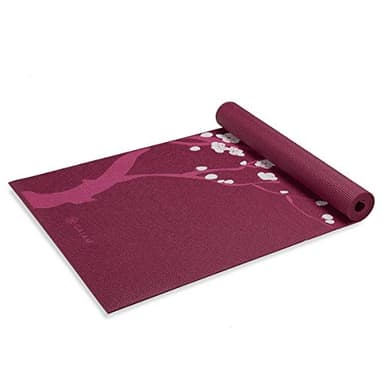
How to choose the right yoga mats
Key Features to Look For
When selecting a yoga mat, prioritize grip, cushioning, and durability. Good grip prevents slipping, especially during sweaty sessions, ensuring stability and safety. Cushioning protects your joints, making floor poses more comfortable, but too much can compromise balance. Durability refers to how well the mat withstands regular use and maintains its integrity over time. Consider the material, as it impacts all these features, with options like natural rubber offering excellent grip and PVC providing good durability. Also, think about the mat's weight if portability is important for your practice.
Types and Formats of Yoga Mats
Yoga mats come in various types, each suited for different needs. Standard mats are versatile for general practice. Travel mats are thinner and lighter, designed for portability, making them ideal for those who practice on the go. Hot yoga mats often feature enhanced grip properties to handle sweat and prevent slipping in heated environments. There are also eco-friendly mats made from sustainable materials like natural rubber or jute, appealing to environmentally conscious practitioners. Some mats offer alignment guides printed on the surface, which can be helpful for beginners to maintain proper form.
Sizing and Compatibility
Yoga mat sizing primarily involves length and thickness. Standard mats are typically 68 inches long, which is suitable for most individuals. Taller practitioners may benefit from extra-long mats, often 72 inches or more, to ensure their entire body fits comfortably during poses. Thickness usually ranges from 3mm to 6mm. Thinner mats (3mm) offer more stability and are lighter for travel, while thicker mats (5-6mm) provide more cushioning for joint support, which is beneficial for restorative practices or those with sensitive knees. Consider your height and the type of yoga you practice when choosing dimensions.
Budget Tiers Explained
Yoga mats generally fall into three budget tiers: entry-level, mid-range, and premium. Entry-level mats are typically made from PVC or TPE, offering basic cushioning and grip suitable for beginners or occasional use. Mid-range mats often feature better materials like natural rubber or higher-density PVC, providing improved durability, grip, and comfort for regular practitioners. Premium mats use high-quality, often eco-friendly materials, advanced grip technologies, and superior durability, designed for dedicated yogis who practice frequently and require long-lasting performance and maximum support. Your budget should align with your frequency and intensity of practice.
Common Mistakes to Avoid
A common mistake is choosing a mat based solely on color or price without considering its functional properties. Overlooking grip can lead to slips and potential injury, especially in dynamic styles of yoga. Another error is selecting a mat that's too thin if you have sensitive joints, or too thick if you need maximum stability for balancing poses. Not cleaning your mat regularly is also a mistake, as it can harbor bacteria and reduce its lifespan. Finally, buying a mat that's too heavy if you plan to carry it frequently can become an inconvenience, so consider portability.
Frequently asked questions
How often should I replace my yoga mat?
The lifespan of a yoga mat varies based on material quality, frequency of use, and care. Generally, a good quality mat can last 1-5 years. Look for signs of wear like flaking, loss of grip, or permanent indentations, which indicate it's time for a replacement to maintain safety and comfort.
Can I wash my yoga mat in a washing machine?
Most yoga mats are not suitable for machine washing as it can damage the material and reduce its lifespan. It's best to clean your mat with a damp cloth and mild soap or a specialized mat cleaner. Always check the manufacturer's care instructions for specific guidance.
What thickness is best for a yoga mat?
The best thickness depends on your needs. Thinner mats (3mm) offer more stability for balancing poses and are lighter for travel. Thicker mats (5-6mm) provide more cushioning for joint support, ideal for restorative practices or those with sensitive knees. A 4mm-5mm mat is a versatile choice for many.
How do I prevent my yoga mat from slipping on the floor?
To prevent your mat from slipping, ensure both the mat and the floor are clean and dry. Some mats have a textured bottom for better grip. If your mat still slides, you can place a non-slip mat gripper underneath it, similar to those used for rugs, to provide extra stability.
Are eco-friendly yoga mats as durable as traditional ones?
Eco-friendly yoga mats, often made from natural rubber, jute, or cork, can be very durable. Their lifespan can be comparable to or even exceed that of traditional PVC mats, depending on the specific material and construction. Proper care is essential for any mat's longevity, regardless of its material.