Find the Best Posture Corrector for Your Back
By the BetteReview editorial team · October 5, 2026
As an Amazon Associate, BetteReview earns from qualifying purchases. This doesn't change the price you pay.
Why Choosing the Right Posture Correctors
The modern world, with its ubiquitous screens and sedentary lifestyles, often conspires against good posture. Many of us find ourselves unknowingly slouching for hours, whether at a desk, commuting, or even relaxing on the couch. This habitual poor alignment can lead to a cascade of issues, from nagging back and neck pain to headaches, reduced energy levels, and even impaired breathing. The cumulative effect isn't just physical discomfort; it can impact confidence and overall quality of life.
While a posture corrector isn't a substitute for professional medical advice or physical therapy, it can serve as a powerful reminder and support system to gently guide your body towards better alignment. The goal isn't to rely on it indefinitely, but rather to use it as a tool to build muscle memory, strengthen core postural muscles, and break the cycle of slouching. The market is flooded with options, making it challenging to discern what truly works. Our guide aims to cut through the noise, helping you understand what specifications and features are most important for finding a device that can effectively support your journey to improved posture.
As an Amazon Associate, BetteReview.com earns from qualifying purchases made through the links in this guide. We provide honest, research-based information to help you make informed decisions.
What to Look For
When evaluating posture correctors, several key criteria stand out based on product specifications and consistent buyer feedback. Firstly, comfort and adjustability are paramount. A corrector, no matter how effective in theory, won't be used if it's uncomfortable or digs into your skin. Look for breathable materials, soft padding in critical areas (like underarms), and multiple adjustment points (straps, buckles) to ensure a snug, personalized fit. A "one-size-fits-all" claim should be viewed with skepticism; adjustability is key to accommodating different body types and ensuring consistent support.
Secondly, consider the type of support and intended use. Some correctors offer full back support, targeting both the upper and lower back, while others focus primarily on the upper back and shoulders. Your specific postural issues will dictate which type is most appropriate. For instance, if your primary concern is rounded shoulders and a hunched upper back, a simpler shoulder brace might suffice. If you experience widespread back pain and slouching, a more comprehensive full-back design could be beneficial. Also, think about when and where you plan to wear it – some are discreet enough for daily wear under clothing, while others are more robust and better suited for home use or specific activities.
Finally, durability and ease of cleaning are practical considerations. High-quality stitching, robust fasteners, and materials that can withstand regular use and washing contribute to the longevity of the product. Check product descriptions for material composition and care instructions. Products made with neoprene, nylon, or breathable mesh blends are common, each offering different levels of flexibility, support, and airflow. Recurring buyer feedback often highlights issues with straps fraying or Velcro losing its grip over time, so scrutinizing these details in product descriptions can save you future frustration.
The Results: Top Posture Correctors Worth Considering
Based on a thorough analysis of product specifications and recurring verified-buyer feedback, we've identified three main categories of posture correctors that consistently deliver positive outcomes. Each type addresses different needs and preferences, offering distinct benefits for those seeking to improve their posture.
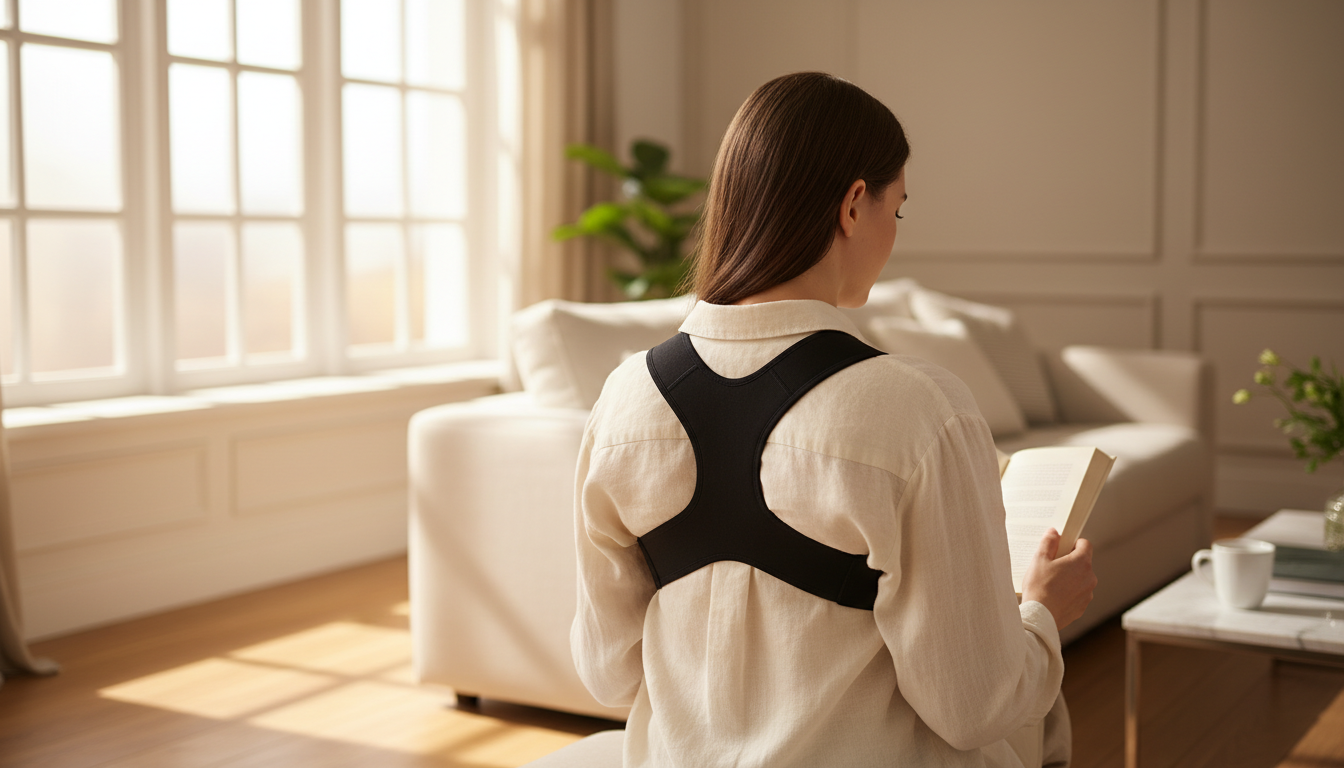
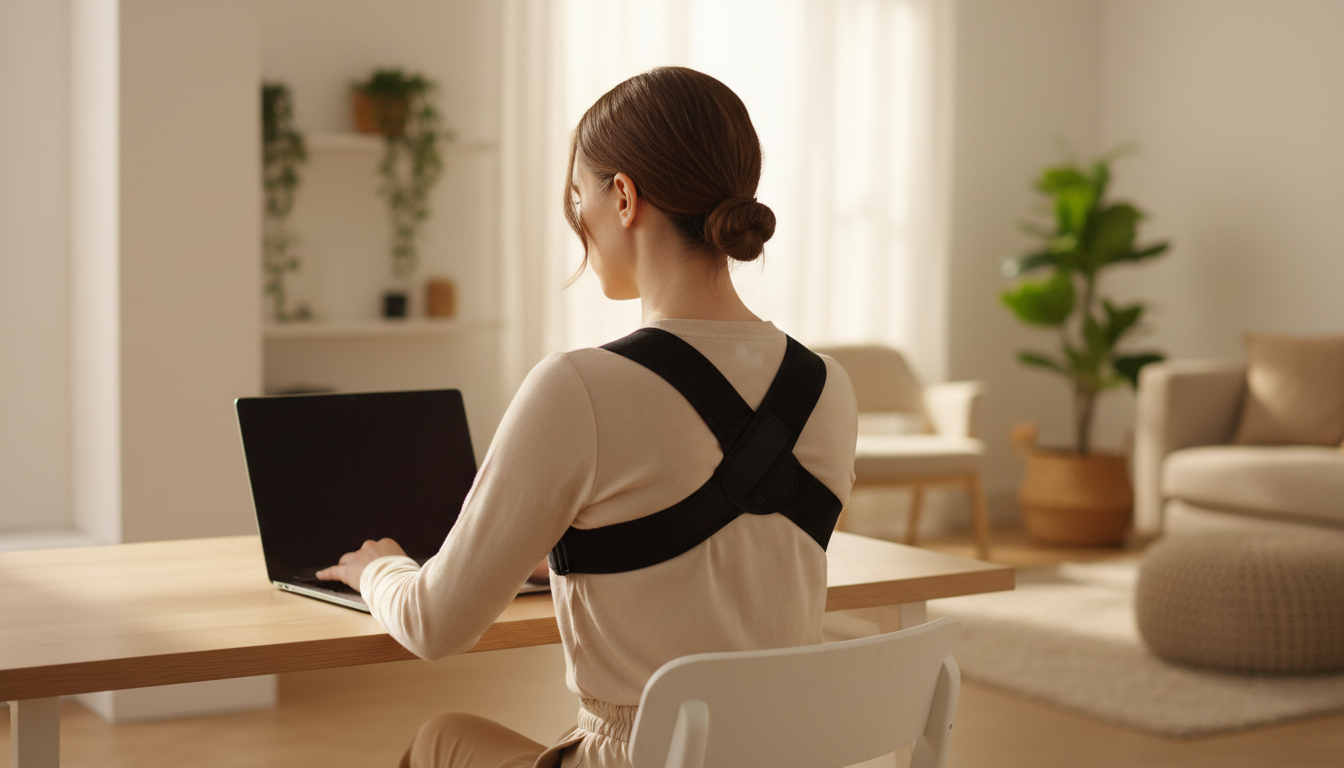
For those primarily struggling with rounded shoulders and upper back slouching, Clavicle Brace-style Correctors are often recommended. These typically feature a simple, figure-eight design that gently pulls the shoulders back and encourages an open chest. They are often lightweight, discreet, and ideal for wearing under clothing during daily activities. Users frequently praise their ability to provide an immediate sense of improved alignment without feeling overly restrictive. They are best for mild to moderate upper back issues and for building initial muscle memory. You can explore options for this type by searching Check on Amazon">clavicle brace posture corrector on Amazon.
If your posture issues extend beyond the upper back, encompassing a more general slouch or lower back discomfort, Full Back Support Posture Correctors offer a more comprehensive solution. These designs often incorporate a wider back panel with straps that extend over the shoulders and sometimes around the waist. They provide support for the thoracic and lumbar spine, promoting overall spinal alignment. While generally less discreet than clavicle braces, their broader coverage can be highly effective for those needing more substantial support and a stronger reminder to maintain an upright position. Many users report significant relief from generalized back pain with consistent use. To find these more comprehensive options, search for Check on Amazon">full back posture corrector on Amazon.
Lastly, for individuals seeking a blend of flexibility and targeted support, Adjustable Vest-style Correctors are a popular choice. These often resemble a vest or harness, allowing for a greater degree of customization in terms of how much pressure is applied to different areas. They can be particularly useful for people who need varying levels of support throughout the day or for specific activities. The vest design often distributes pressure more evenly, reducing potential discomfort from narrow straps. These are often made with breathable mesh and offer good adjustability, making them suitable for longer wear periods. If this sounds like your fit, consider searching for Check on Amazon">vest style posture corrector on Amazon.
Common Buying Mistakes
One of the most frequent mistakes buyers make is expecting a posture corrector to be a "set it and forget it" solution. These devices are tools to aid in retraining, not a permanent fix. Consistent, short-term use combined with exercises to strengthen postural muscles yields the best results. Relying solely on the corrector without addressing underlying muscle weakness or poor habits will likely lead to temporary relief at best.
Another common misstep is purchasing a corrector that is either too restrictive or not adjustable enough. A device that causes pain, chafing, or severely restricts movement will inevitably end up unused. Conversely, one that is too loose or lacks sufficient adjustability won't provide the necessary support or feedback. Always prioritize comfort and customizability over claims of extreme "correction." It's about gentle guidance, not rigid immobilization.
Final Verdict
Improving posture is a journey, not a destination, and the right posture corrector can be a valuable ally. By focusing on comfort, adjustability, the specific type of support needed, and durability, you can select a product that genuinely assists in retraining your body for better alignment. Remember, it's a tool to complement conscious effort and strengthening exercises. To explore a wide range of options and find the best posture corrector that fits your needs, we recommend starting your search on Check on Amazon">Amazon.