As an Amazon Associate, BetteReview earns from qualifying purchases. This doesn't change the price you pay.
Why Choosing the Right Posture Correctors
Let's face it, in our increasingly digital world, maintaining good posture can feel like an uphill battle. Hours spent hunched over keyboards, craning necks at smartphones, or even just daily habits can gradually lead to a rounded back, slouched shoulders, and a host of associated discomforts. From persistent neck pain and tension headaches to lower back stiffness and even reduced confidence, the impact of poor posture extends far beyond aesthetics. Many individuals seek out posture correctors as a potential aid, hoping to find a device that can gently remind and support their body into a more natural, upright position.
However, the market is flooded with options, and navigating the claims can be overwhelming. The goal isn't just to wear something, but to find a product that effectively encourages better alignment without causing new issues or discomfort. A well-selected posture corrector should be a tool that assists your body in developing better habits, rather than a permanent crutch. Understanding the nuances of design, material, and adjustability is key to making an informed decision that truly addresses your individual needs and supports your long-term posture goals.
What to Look For
When evaluating the myriad of posture correctors available, several critical factors consistently emerge from product specifications and verified buyer feedback as paramount to user satisfaction and effectiveness. First, **adjustability and fit** are non-negotiable. A corrector that doesn't fit properly won't be effective and can even cause irritation or chafing. Look for designs that offer multiple adjustment points – typically around the shoulders, chest, and waist – to ensure a snug, yet comfortable, fit for various body types. Velcro straps, buckles, and elastic sections are common mechanisms for customization. Without precise adjustability, a corrector can be either too loose to provide support or too tight to wear for the recommended durations.
Secondly, **material and breathability** significantly impact comfort, especially during extended wear. Posture correctors are often worn against the skin or over light clothing, so the fabric needs to be soft, non-irritating, and allow for air circulation to prevent sweating and discomfort. Neoprene is common for its durability and flexibility, but ensure it's a breathable variety. Other options include cotton blends, mesh, or polyester, all chosen for their balance of support, comfort, and skin-friendliness. Recurring feedback often highlights that even the most effective corrector will be abandoned if it's too itchy, bulky, or causes excessive perspiration.
Finally, consider the **type of support and intended use**. Different correctors target different areas. Some are primarily shoulder retractors, designed to pull shoulders back. Others are full-back braces, offering support from the upper back down to the lumbar region. Your specific posture concerns – whether it's rounded shoulders, a slouched upper back, or general spinal misalignment – will dictate the most appropriate type. Also, think about when and where you plan to wear it. A discreet, lightweight design might be preferable for office wear, while a more robust brace could be suitable for home use or during light exercise.
The Results: Top Posture Correctors Worth Considering
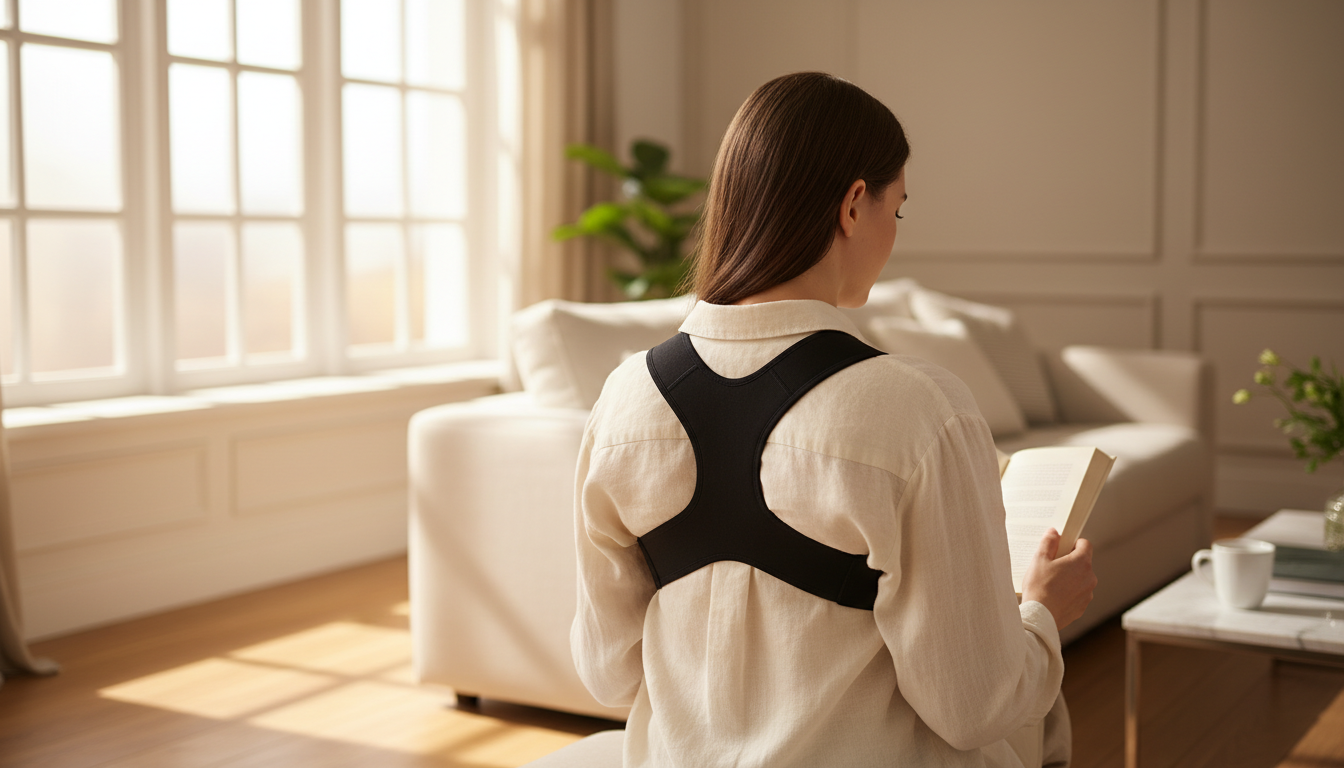
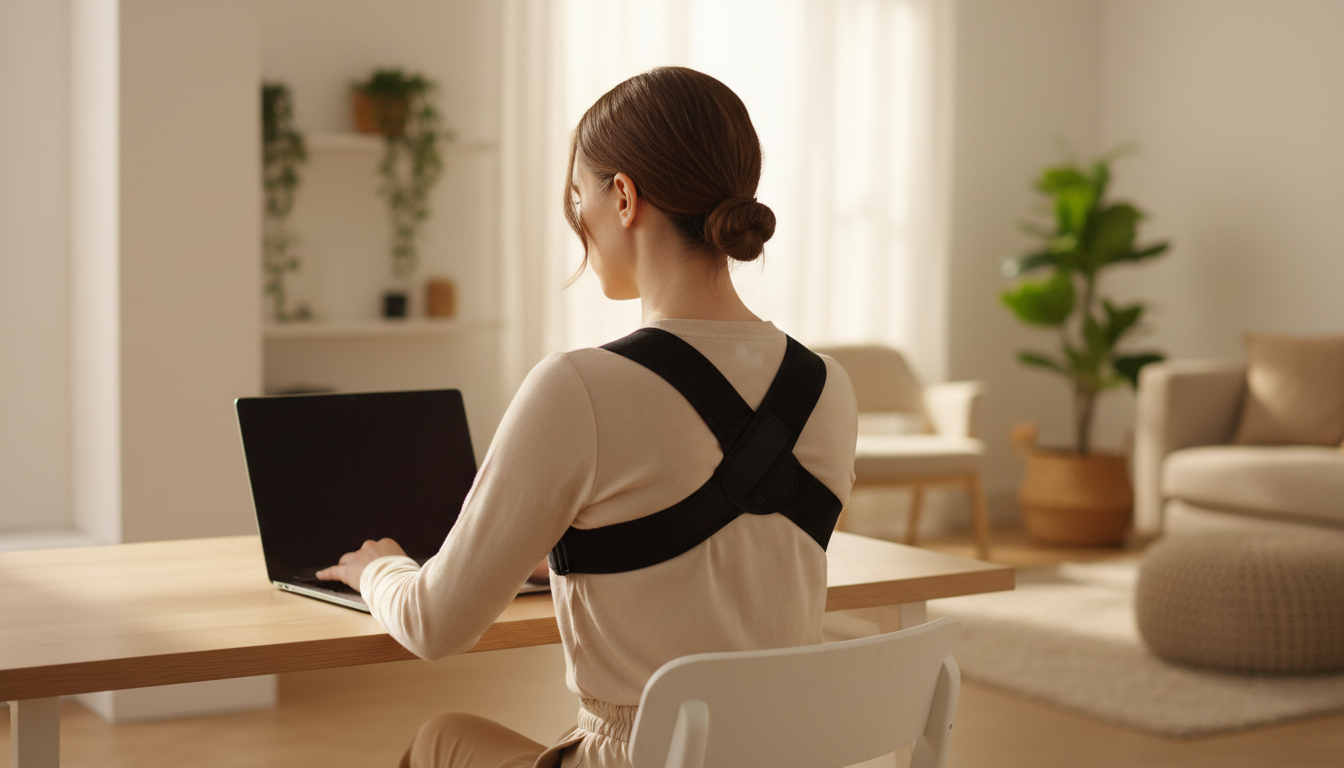
Based on consistent design principles and recurrent positive feedback, three main categories of posture correctors tend to deliver the most reliable outcomes for users. The first type is the **Upper Back and Shoulder Corrector**. These are often harness-style designs, focusing primarily on retracting the shoulders and gently encouraging the upper back into a more upright position. They are typically less bulky, making them a popular choice for discreet wear under clothing. Users report significant relief from rounded shoulders and improvements in general upper body awareness. They are particularly beneficial for individuals whose primary concern is slouching at a desk or while using electronic devices. These types of correctors often feature adjustable straps that cross the back and loop under the arms. To explore options in this category, you can search for them here:
Check on Amazon.
The second category is the **Full Back Brace Posture Corrector**. These designs extend further down the back, often incorporating lumbar support in addition to shoulder retraction. They provide more comprehensive spinal alignment, addressing issues from the upper back down to the lower back. These are often recommended for individuals experiencing more generalized back pain or those who need stronger support to maintain an upright posture throughout the day. While generally more noticeable than shoulder-only correctors, their extended support can be invaluable for chronic slouching or during rehabilitation. They often feature wider straps and sometimes include rigid or semi-rigid stays for added stability.
Finally, there are **Smart Posture Correctors**. These innovative devices incorporate sensors that detect when you begin to slouch and provide gentle vibrations or alerts to remind you to correct your posture. They don't physically force your posture but rather act as a training tool to build awareness and strengthen postural muscles over time. These are ideal for individuals who want to actively retrain their habits and prefer a less restrictive solution. While often more expensive, the long-term benefit of muscle memory training can be substantial. When considering any of these types, always prioritize adjustability, comfortable materials, and clear user instructions for optimal results. For a broad selection of posture correctors across these types, begin your search here:
Check on Amazon.
Common Buying Mistakes
One of the most frequent mistakes buyers make is prioritizing price over **comfort and fit**. A cheap corrector that chafes, digs in, or is impossible to adjust properly will quickly end up in a drawer, rendering it useless regardless of its initial cost. Investing a little more in a well-designed, adjustable model made from breathable materials will significantly increase the likelihood of consistent use and, therefore, better results. Remember, the goal is consistent, gentle correction, not an uncomfortable struggle.
Another common pitfall is expecting a posture corrector to be a **magic bullet** for existing pain or a substitute for professional medical advice. While they can be excellent tools for support and habit-forming, they are not intended to diagnose, treat, or cure medical conditions. If you're experiencing chronic or severe pain, consulting a healthcare professional, such as a doctor, physical therapist, or chiropractor, is always recommended before using a posture corrector. They can help identify underlying issues and advise on the most appropriate course of action, which may or may not include a corrector. A corrector is an aid, not a cure-all.
Lastly, many buyers make the mistake of **over-tightening** the corrector or wearing it for excessive periods, expecting faster results. Posture correctors are designed to provide gentle support and reminders, not to forcefully pull your body into an unnatural position. Over-tightening can restrict circulation, cause muscle strain, and lead to more discomfort. Similarly, wearing it for too long, especially initially, can lead to muscle fatigue rather than strengthening. Most manufacturers recommend starting with short durations (e.g., 15-30 minutes a day) and gradually increasing wear time as your body adapts. Listen to your body and prioritize comfort and gradual improvement.
Final Verdict
Choosing the best posture corrector involves a careful consideration of your specific needs, comfort preferences, and commitment to consistent use. By focusing on adjustability, breathable materials, and the right type of support for your concerns, you can find a device that genuinely aids in improving your posture and reducing discomfort. Remember, a posture corrector is a tool to support your journey towards better alignment, not a standalone solution. For a comprehensive selection of highly-rated posture correctors, begin your search today and take a step towards a more confident, upright you:
Check on Amazon.