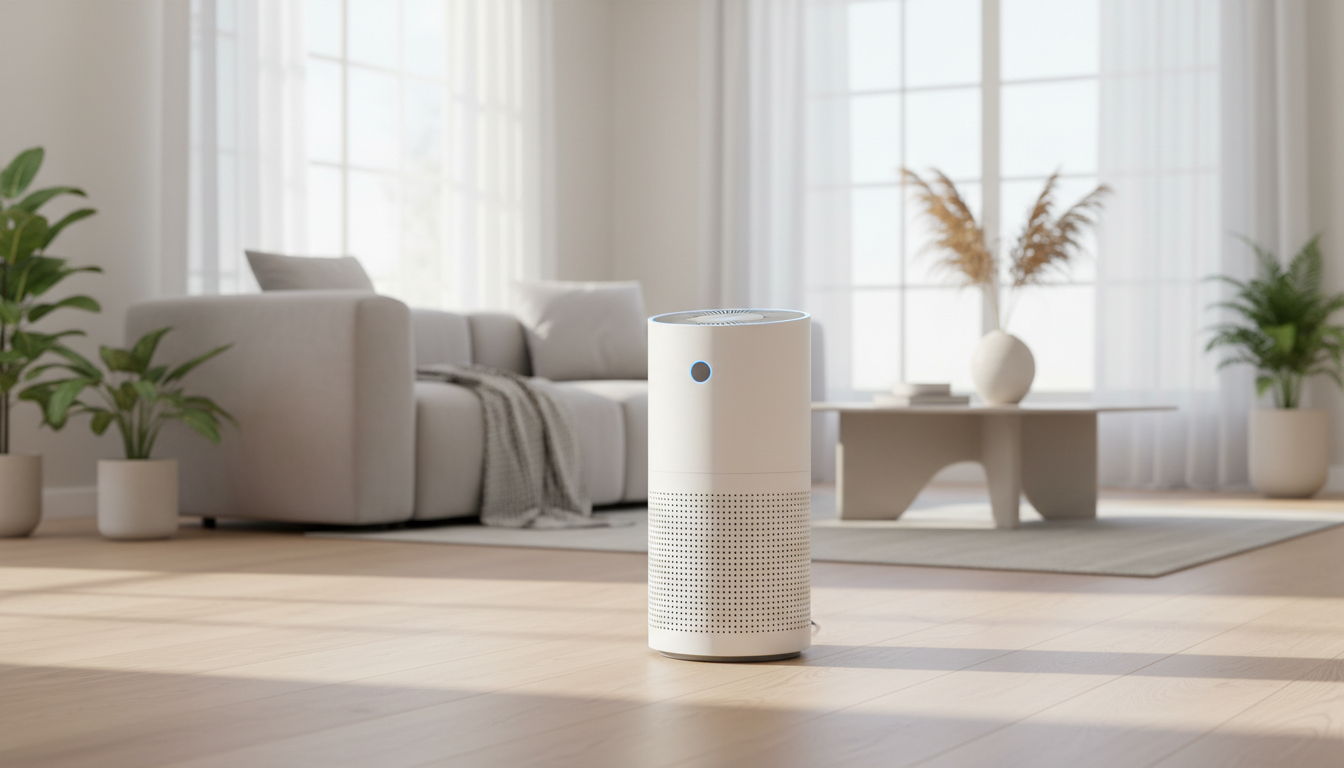
Find the best air purifier for a healthier home
By the BetteReview editorial team · October 14, 2026
As an Amazon Associate, BetteReview earns from qualifying purchases. This doesn't change the price you pay.
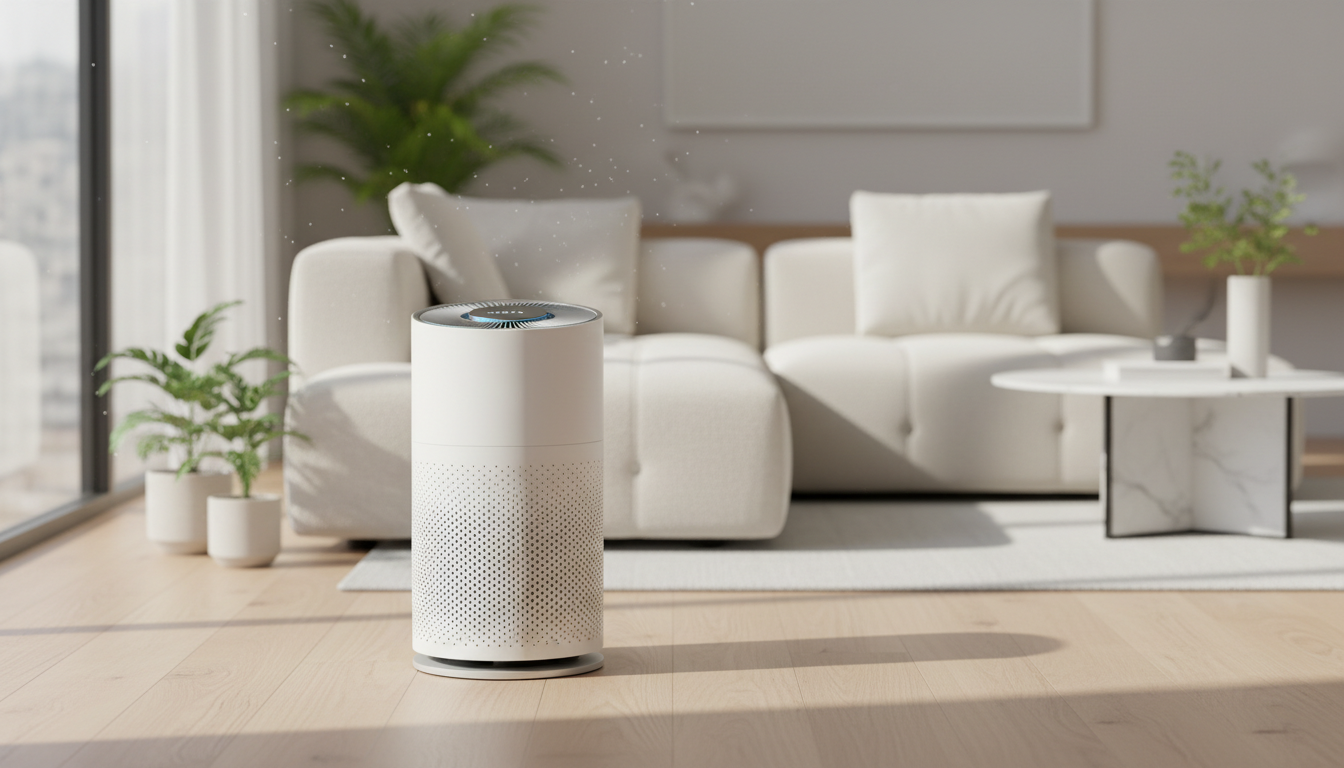
Why Choosing the Right Air Purifiers
Many of us spend the vast majority of our time indoors, often unaware of the invisible elements floating in the air we breathe. Dust mites, pet dander, pollen, mold spores, and even volatile organic compounds (VOCs) from cleaning products and furniture can accumulate, potentially impacting our respiratory health and overall well-being. For those with allergies, asthma, or general sensitivities, these indoor pollutants can trigger uncomfortable symptoms, making a comfortable home feel less like a sanctuary and more like a source of irritation. Even for those without specific health concerns, improving indoor air quality is a proactive step towards a healthier living environment.
The market for air purifiers is extensive, with a dizzying array of models promising pristine air. However, not all purifiers are created equal, and understanding the core technologies and specifications is crucial to making an informed decision. Our goal at BetteReview.com is to cut through the marketing jargon and provide you with research-backed insights into what truly makes an air purifier effective, helping you select a device that addresses your specific needs without unnecessary features or costs.
What to Look For
When evaluating air purifiers, several key specifications and features consistently emerge as critical indicators of performance and value. The first and arguably most important is the unit's Clean Air Delivery Rate (CADR). Measured in cubic feet per minute (CFM), CADR indicates how quickly an air purifier removes pollutants like smoke, dust, and pollen from a room. Look for separate CADR ratings for each pollutant type, as these can vary. A higher CADR means the purifier can clean a larger room more effectively or clean a smaller room more quickly. Always compare the CADR to the room size recommendations provided by the manufacturer to ensure it's appropriate for your intended space. An air purifier with a CADR that is too low for your room will simply not be effective.
Beyond CADR, the type and quality of filtration are paramount. A true High-Efficiency Particulate Air (HEPA) filter is essential for capturing 99.97% of airborne particles as small as 0.3 microns, including pollen, pet dander, dust mites, and mold spores. Be wary of terms like "HEPA-type" or "HEPA-like," which often indicate inferior filtration. Additionally, an activated carbon filter is highly beneficial for absorbing odors, smoke, and harmful VOCs. Some purifiers also incorporate pre-filters to capture larger particles, extending the life of the more expensive HEPA and carbon filters. Consider the filter replacement costs and frequency, as these contribute significantly to the long-term ownership expense. Finally, noise levels, measured in decibels (dB), are crucial, especially for units intended for bedrooms or quiet living areas. Look for models with operating noise levels below 50 dB on their highest setting, and ideally much lower on their quietest setting.
The Results: Top Air Purifiers Worth Considering
Based on extensive analysis of product specifications and recurring verified-buyer feedback, certain categories of air purifiers consistently deliver strong performance and user satisfaction. For general household purification, units featuring a multi-stage filtration system—typically including a pre-filter, a true HEPA filter, and an activated carbon filter—are highly regarded for their ability to tackle a broad spectrum of pollutants. These models are effective against common allergens, dust, and household odors, making them suitable for living rooms and bedrooms. They often come with various fan speeds and sleep modes to balance purification power with noise levels.
For individuals primarily concerned with pet dander and odors, specific purifiers engineered with enhanced activated carbon filters or additional pet-specific pre-filters receive positive mentions for their efficacy. These units often feature higher CADR ratings to handle the continuous presence of pet allergens. Conversely, for those living in areas prone to wildfire smoke or with concerns about VOCs from new furniture or paints, purifiers with a substantial amount of activated carbon (measured in pounds, not just a thin layer) are frequently highlighted for their superior odor and chemical absorption capabilities. Always ensure the chosen unit's CADR matches or exceeds the recommended coverage for your room size. Check on Amazon" target="_blank" rel="nofollow noopener">You can explore a wide range of options on Amazon here.
It is important to note that while some air purifiers include ionizers or UV-C lights, their effectiveness and safety are subjects of ongoing discussion. Ionizers can produce ozone, a lung irritant, though many modern units are designed to produce minimal or no ozone. UV-C lights are intended to kill bacteria and viruses, but their efficacy often depends on the dwell time of airborne pathogens within the light's range, which can be brief. For most common household needs, a robust HEPA and activated carbon filtration system is generally considered the most effective and safest approach without these additional technologies.
Common Buying Mistakes
One of the most frequent mistakes buyers make is underestimating the required CADR for their room size. Purchasing a smaller, less powerful unit for a large room will result in inadequate air changes per hour (ACH), meaning the air will not be cleaned effectively. Always cross-reference the manufacturer's suggested room size with the CADR ratings and consider getting a slightly more powerful unit if you're on the border, especially if you have significant allergy concerns. Another common oversight is neglecting filter replacement costs and availability. Some proprietary filters can be expensive and hard to find, turning a seemingly good deal into a costly long-term investment. Always research filter prices and expected lifespan before committing to a purchase.
Lastly, many buyers overlook the noise level, only to find their new air purifier disruptive, especially in quiet spaces like bedrooms. While a higher fan speed often means better purification, it also means more noise. Look for models that offer a "sleep mode" or very low fan settings that maintain a quiet operation while still providing some level of air filtration. Relying solely on a unit's aesthetic appeal without examining its specifications can lead to disappointment in performance. Always prioritize CADR, filtration type, and noise levels over design alone. (As an Amazon Associate, BetteReview.com earns from qualifying purchases.)
Final Verdict
Selecting the best air purifier involves understanding your specific needs—whether it's allergy relief, odor removal, or general air quality improvement—and matching them with the right specifications. Prioritize true HEPA filtration, an appropriate CADR for your room size, and consider the noise level and filter replacement costs. By focusing on these core elements, you can confidently choose an air purifier that genuinely enhances your indoor environment and promotes healthier breathing. Check on Amazon" target="_blank" rel="nofollow noopener">Begin your search for a high-quality air purifier on Amazon today and breathe easier tomorrow.
Updated daily | Best deals curated by BetteReview
As an Amazon Associate I earn from qualifying purchases. Prices and availability are subject to change.