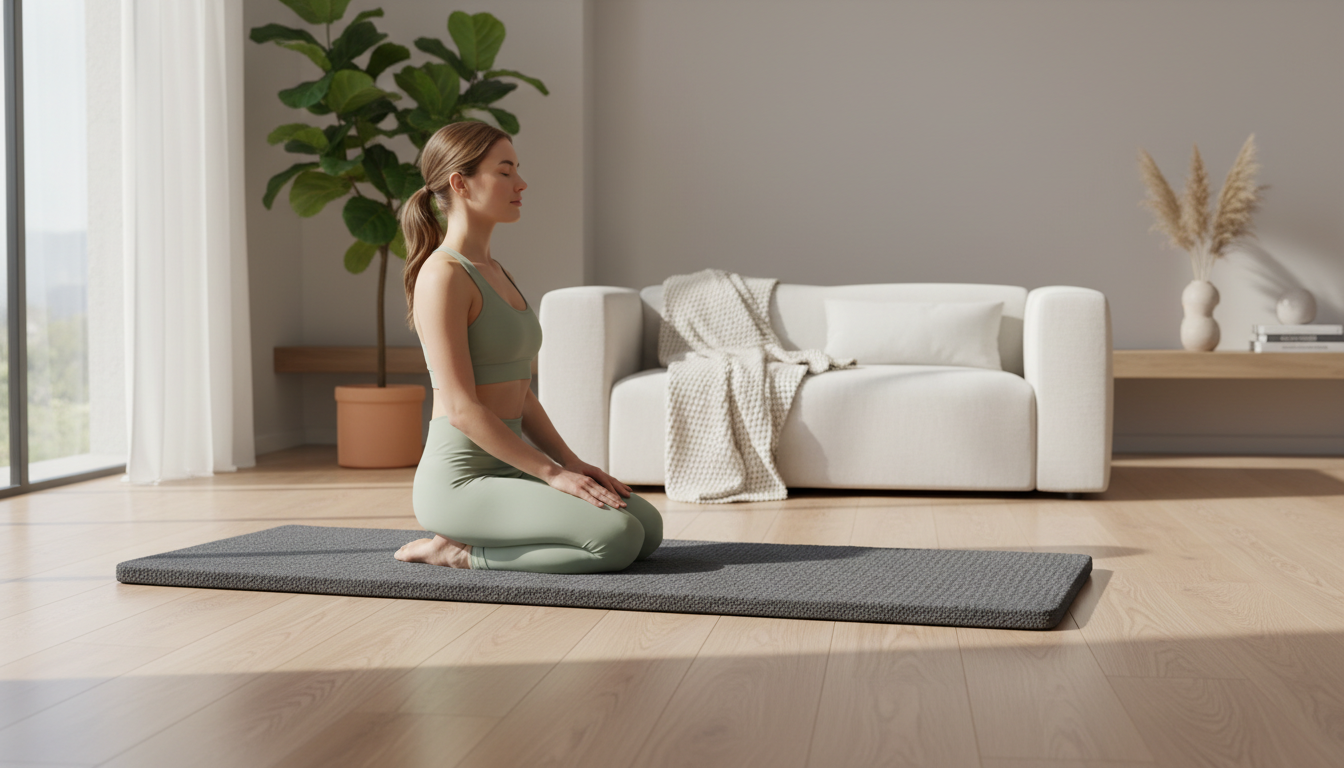
Find Your Best Yoga Mat: A Guide to Unrivaled Practice
By the BetteReview editorial team · October 23, 2026
As an Amazon Associate, BetteReview earns from qualifying purchases. This doesn't change the price you pay.
Why Choosing the Right Yoga Mats
Perhaps you’ve experienced it: that moment in warrior pose when your front foot starts to slide, or the jarring sensation in your knees during a seated pose because your mat offers insufficient cushioning. It’s frustrating, distracting, and can even be a deterrent to consistent practice. Many assume all yoga mats are created equal, but this couldn't be further from the truth. The subtle differences in material, thickness, and texture profoundly impact your stability, comfort, and overall enjoyment of your yoga journey.
A well-chosen yoga mat isn't just an accessory; it's an integral part of your practice. It provides the crucial foundation for every pose, offering the necessary grip to prevent slips, the cushioning to protect your joints, and the durability to withstand regular use. Understanding the key specifications and how they align with your personal practice style and preferences is paramount to making an informed decision that truly elevates your experience on the mat.
As an Amazon Associate, we earn from qualifying purchases made through links in this guide. Our recommendations are based on research into product specifications and recurring verified-buyer feedback, not personal testing.
What to Look For
When searching for the best yoga mat, several critical factors come into play, each contributing to a different aspect of your practice experience. The primary considerations are grip, cushioning, material, and portability. These elements dictate how secure you feel, how comfortable your joints are, the mat's longevity, and how easily you can transport it.
Grip, often referred to as "stickiness," is crucial for preventing slips and maintaining alignment, especially in dynamic or hot yoga styles. Cushioning, or thickness, directly impacts joint comfort, particularly for those with sensitive knees, wrists, or hips. The mat's material determines its durability, environmental impact, and how it feels against your skin. Finally, portability considerations, such as weight and ease of rolling, are important for practitioners who travel to classes or practice in different locations.
Grip and Texture
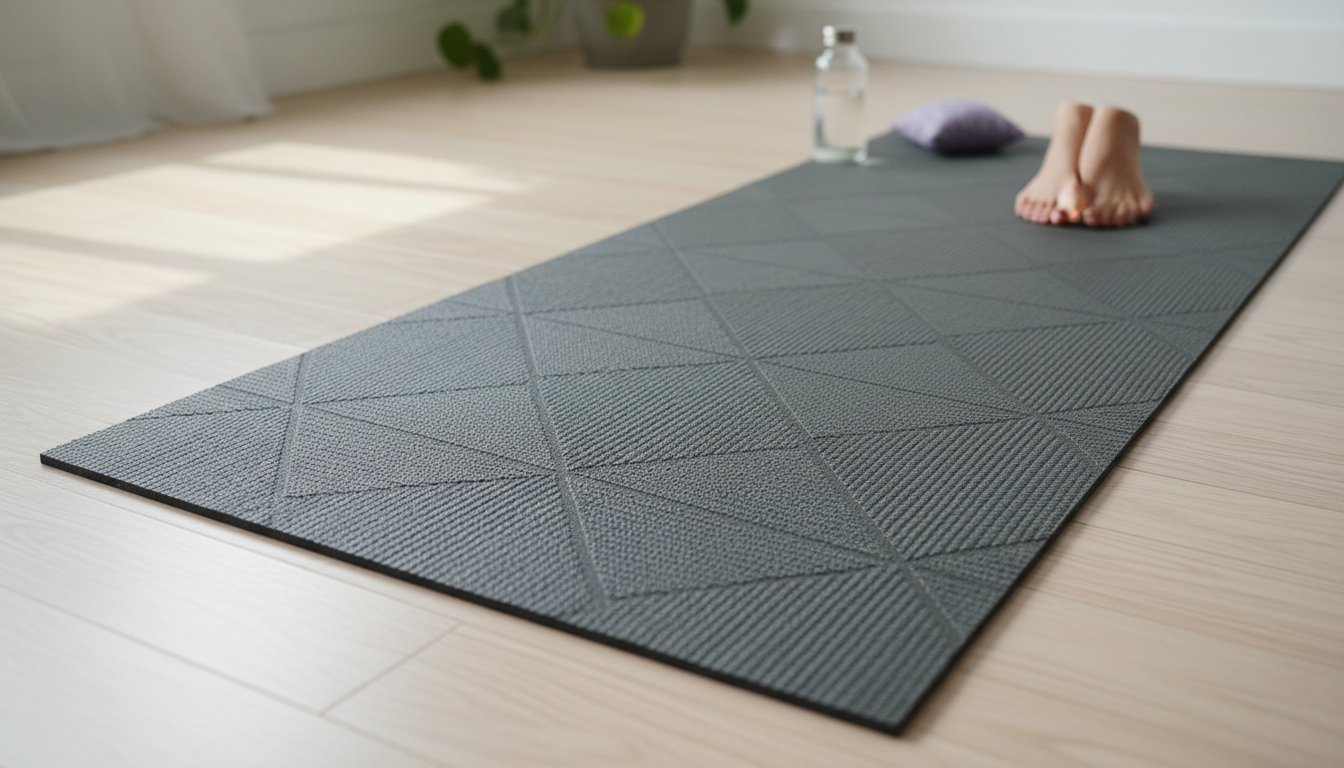
The surface texture and material composition are the primary determinants of a mat's grip. For sweaty practices like Vinyasa or Bikram, open-cell natural rubber or polyurethane (PU) mats are frequently cited by users for their superior "wet grip." These materials are designed to absorb moisture and maintain traction even when damp. In contrast, closed-cell PVC mats, while durable and easy to clean, may offer less grip when wet, though some feature embossed textures to compensate. Consider your typical practice environment and sweat levels when evaluating this feature. Verified buyer feedback often highlights the difference between initial grip and sustained grip throughout a practice.
Cushioning and Thickness
Yoga mats typically range from 1.5mm to 6mm or even thicker. A standard mat is usually 4-5mm. Thinner mats (1.5-3mm), often called "travel mats," are lightweight and offer a more direct connection to the floor, which some advanced practitioners prefer for balance poses. However, they provide minimal joint cushioning. Thicker mats (5-6mm+) offer excellent shock absorption and comfort, ideal for restorative practices, those with joint sensitivities, or beginners needing extra support. The trade-off for increased cushioning is usually added weight and bulk. It's important to find a balance that supports your body without making you feel disconnected from the ground.
Material and Durability
Common yoga mat materials include PVC (polyvinyl chloride), TPE (thermoplastic elastomer), natural rubber, and jute/cotton. PVC mats are known for their durability, stickiness, and affordability, but they are not biodegradable. TPE mats are a more eco-friendly alternative, often lighter and softer, but may not be as long-lasting as high-quality PVC or rubber. Natural rubber mats are highly regarded for their excellent grip and eco-friendliness, though they can be heavier and may have a distinct odor initially. Some individuals also have latex allergies, making rubber unsuitable. Jute and cotton mats offer a natural, earthy feel and good absorption but typically provide less cushioning and grip than synthetic or rubber options. Consider the mat's lifespan, environmental impact, and any potential allergies.
Portability and Weight
If you primarily practice at home, weight and bulk might not be a major concern. However, if you commute to a studio, travel frequently, or attend outdoor classes, portability becomes crucial. Travel mats (1.5-3mm) are designed to be lightweight and foldable, easily fitting into luggage. Standard mats (4-5mm) offer a good balance of cushioning and manageable weight for daily transport. Thicker, heavier mats (6mm+) are often best suited for home use or studios where they can be left in place. Always check the mat's dimensions and weight specifications to ensure it aligns with your lifestyle.
The Results: Top Yoga Mats Worth Considering
Based on extensive analysis of product specifications and recurring verified-buyer feedback, certain categories of yoga mats consistently stand out for specific needs. For practitioners prioritizing superior grip, especially in heated or sweaty conditions, mats made from natural rubber or high-performance polyurethane are frequently praised. Users consistently report these materials offer unparalleled traction, preventing slips and allowing for deeper, more stable poses. These mats often come with a higher price point but are considered a worthwhile investment for serious practitioners. You can explore a range of these high-grip options by searching Check on Amazon.
For individuals seeking maximum joint comfort and support, particularly those new to yoga, recovering from injuries, or practicing restorative styles, thicker mats (6mm and above) made from dense PVC or TPE are highly recommended. Buyers frequently highlight the significant difference in cushioning these mats provide, allowing for prolonged kneeling or seated poses without discomfort. While heavier, the added comfort is often cited as a game-changer. These mats are excellent for home practice where portability is less of a concern.
Finally, for the eco-conscious or those needing a versatile, all-around mat for varied practices, TPE or sustainably sourced natural rubber mats strike a good balance. Verified reviews often commend their blend of decent grip, moderate cushioning, and lighter environmental footprint compared to traditional PVC. Many TPE mats also boast closed-cell construction, making them easier to clean. These options represent a middle ground in terms of price and performance, suitable for a wide range of users looking for a reliable, more sustainable option.
Common Buying Mistakes
One of the most common mistakes buyers make is prioritizing price over suitability. While a budget-friendly mat might seem appealing, a mat that constantly slips, offers inadequate cushioning, or degrades quickly will ultimately detract from your practice and require replacement sooner, costing more in the long run. Another frequent oversight is not considering your specific practice style. A thin travel mat is fantastic for portability but disastrous for someone needing knee support in a power yoga class. Conversely, a thick, heavy mat is cumbersome for someone who walks to their studio daily.
Another error is neglecting to check the mat's dimensions. Standard mats are usually 68 inches long, but taller individuals may find this too short, leading to discomfort or having to adjust their position constantly. Always verify the length and width to ensure it accommodates your height and preferred practice space. Finally, ignoring material composition can lead to issues like allergic reactions (e.g., to latex in natural rubber mats) or dissatisfaction with a mat's initial smell. Reading product descriptions and verified buyer reviews thoroughly can help avoid these common pitfalls.
Final Verdict
Choosing the best yoga mat is a personal decision that hinges on understanding your unique practice needs and preferences. By focusing on grip, cushioning, material, and portability, you can confidently select a mat that enhances your stability, comfort, and overall enjoyment. Don't settle for a mat that hinders your practice; invest in one that supports your journey. Ready to find your perfect match? Explore a wide range of highly-rated yoga mats and make an informed choice today: Check on Amazon.
Updated daily | Best deals curated by BetteReview
As an Amazon Associate I earn from qualifying purchases. Prices and availability are subject to change.