Find the Best Air Purifier for Cleaner Home Air
By the BetteReview editorial team · November 3, 2026
As an Amazon Associate, BetteReview earns from qualifying purchases. This doesn't change the price you pay.
Why Choosing the Right Air Purifiers
The air we breathe indoors is often a complex mix of particles, gases, and allergens that can significantly impact our comfort and long-term health. Think about it: pet dander, dust mites, pollen drifting in from outside, mold spores, volatile organic compounds (VOCs) from cleaning products or new furniture, and even smoke from cooking or fireplaces. These aren't just invisible nuisances; for many, they trigger allergies, asthma, and general respiratory discomfort. The goal of an air purifier isn't just to "freshen" the air, but to actively remove these harmful elements, creating a genuinely cleaner and healthier indoor environment.
Navigating the market for an air purifier can feel overwhelming, with countless models promising revolutionary results. Without a clear understanding of what makes an air purifier effective, it's easy to make a purchase that falls short of expectations. Our aim is to cut through the marketing jargon and provide you with research-based insights, focusing on the specifications and recurring verified-buyer feedback that truly indicate a product's performance. We’ll help you understand the core technologies and features that deliver tangible benefits, ensuring your investment leads to noticeably cleaner air.
What to Look For
When evaluating air purifiers, several key specifications stand out as critical indicators of performance and value. The most important is the filtration system. A true HEPA filter is non-negotiable for removing particles like dust, pollen, pet dander, and mold spores. "HEPA-type" or "HEPA-like" filters often don't meet the same stringent standards, so always look for "True HEPA" which captures 99.97% of airborne particles as small as 0.3 microns. Beyond HEPA, an activated carbon filter is vital for addressing odors, smoke, and VOCs. Many purifiers combine these, offering a multi-stage filtration approach that tackles a broader range of indoor pollutants.
Another crucial metric is the Clean Air Delivery Rate (CADR), which measures how quickly the purifier removes smoke, pollen, and dust from a room. A higher CADR indicates faster cleaning. You'll see separate CADR ratings for smoke, pollen, and dust. For optimal performance, the CADR should be appropriate for your room size; a common rule of thumb is that the CADR for smoke should be at least two-thirds of the room's area in square feet. Consider features like a pre-filter (to extend the life of the HEPA filter), filter replacement indicators, smart features (Wi-Fi connectivity, app control), noise levels (measured in decibels, especially important for bedrooms), and energy efficiency (look for Energy Star certification). These elements collectively determine the purifier's overall effectiveness, convenience, and long-term operating cost.
The Results: Top Air Purifiers Worth Considering
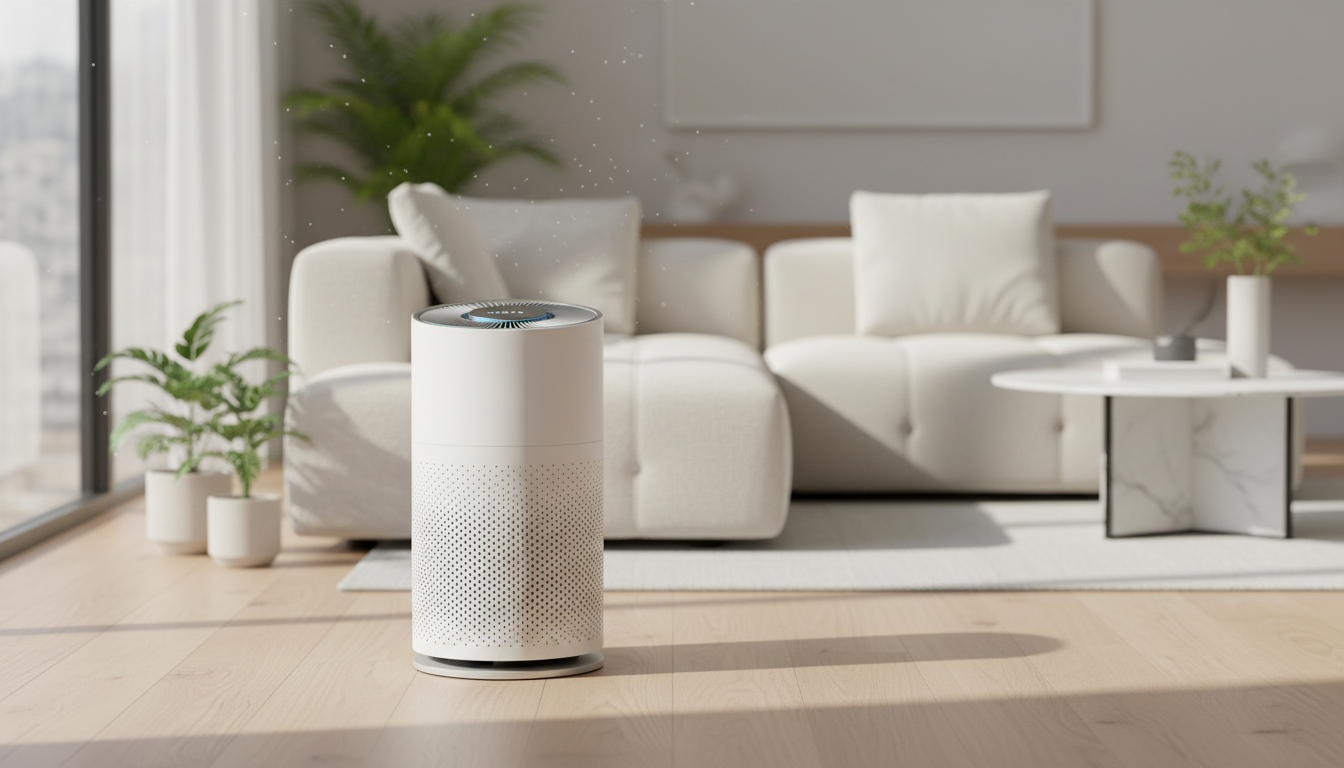
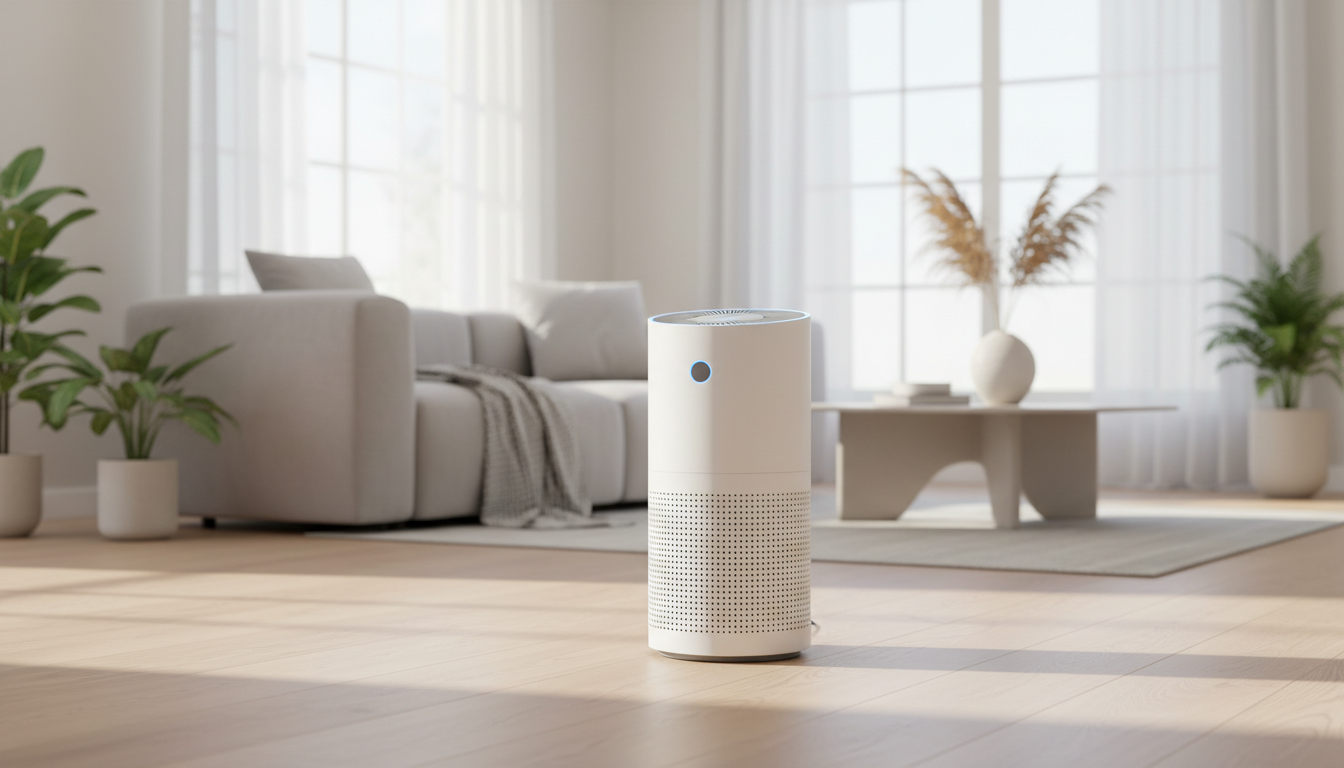
Based on extensive analysis of specifications, independent testing results, and thousands of verified-buyer reviews, certain types of air purifiers consistently rise to the top for their effectiveness and user satisfaction. For general home use, particularly in bedrooms or living areas, models featuring a robust True HEPA filter combined with an activated carbon layer are paramount. These excel at capturing common allergens and odors, providing a noticeable improvement in air quality. Many of these units also feature automatic modes that adjust fan speed based on detected air quality, offering a set-it-and-forget-it convenience that users highly value. They strike a balance between performance, noise level, and operational cost, making them excellent all-rounders for improving daily indoor air. For a comprehensive selection of these well-rounded purifiers, we recommend exploring the options available via Check on Amazon.
For individuals dealing with severe allergies, asthma, or homes with pets, purifiers designed for larger rooms or with enhanced filtration capabilities are often necessary. These units typically boast higher CADR ratings, allowing them to cycle air more frequently and effectively in bigger spaces. Some advanced models may also incorporate additional filtration stages, such as UV-C light (for germ killing, though its effectiveness against airborne viruses is debated and should be weighed against potential ozone production) or specialized filters for specific pollutants like pet dander. While these might come with a higher initial cost and potentially more frequent filter changes, the enhanced performance often justifies the investment for those with specific health needs. Always prioritize True HEPA and activated carbon, and then consider additional features based on your specific concerns.
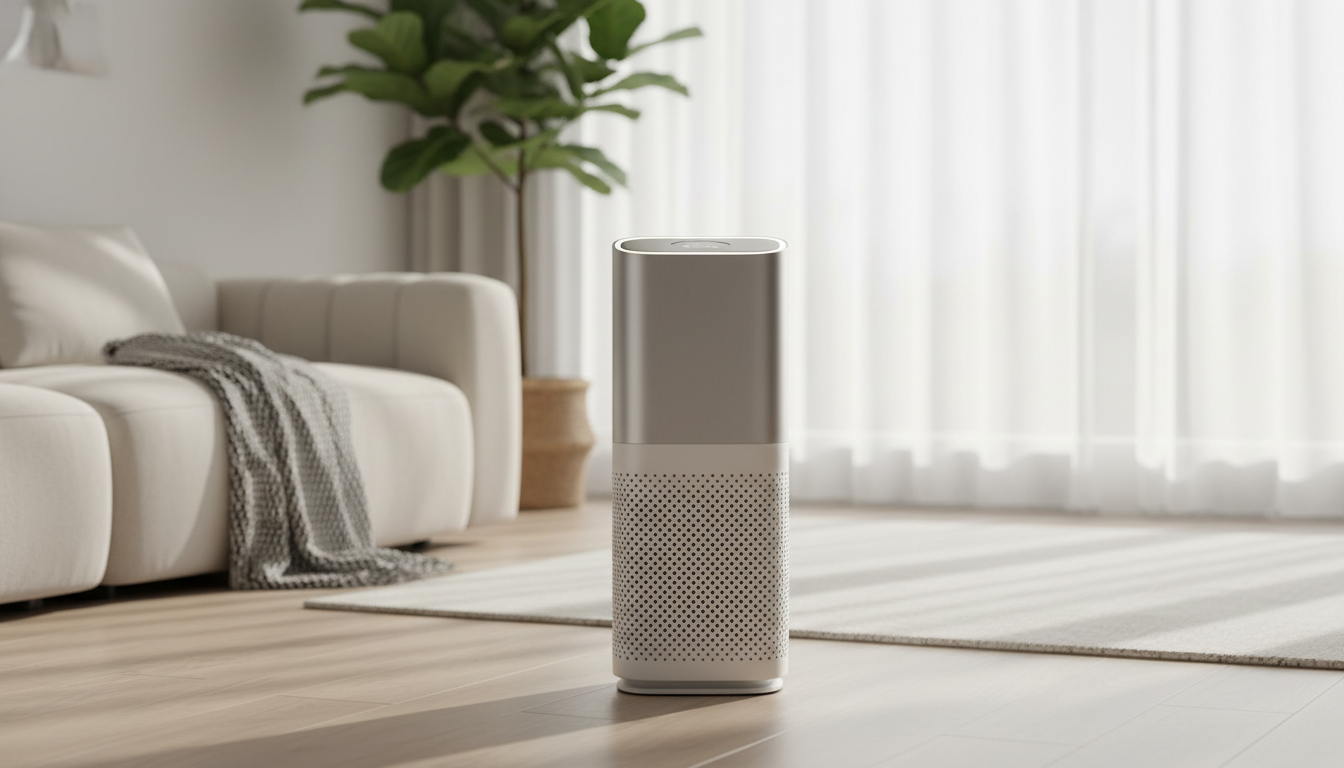
Finally, for those looking for compact solutions or purifiers for smaller personal spaces like offices or nurseries, there are excellent smaller units that still utilize True HEPA filtration. While their CADR ratings will naturally be lower due to their size, they are highly effective within their designated coverage area. These often prioritize quiet operation and a sleek design, blending seamlessly into personal environments. They represent a cost-effective way to improve air quality in a targeted manner without investing in a large, whole-home system. Regardless of the type, always verify the filter replacement cost and availability, as this is a recurring expense that impacts long-term ownership. (As an Amazon Associate, we earn from qualifying purchases.)
Common Buying Mistakes
One of the most frequent mistakes buyers make is prioritizing a low initial price over effective filtration. Many budget-friendly purifiers advertise "HEPA-type" filters, which don't meet the strict 99.97% efficiency standard of True HEPA filters. This can lead to disappointment when the unit fails to adequately remove fine particles and allergens. Always confirm the filter is explicitly stated as "True HEPA" to ensure genuine air purification. Another common error is underestimating the room size. Purchasing a purifier with a CADR rating too low for your intended space will result in inefficient air cleaning, meaning the air isn't purified quickly or thoroughly enough. Always match the purifier's recommended room size or CADR to your actual room dimensions for optimal performance.
Overlooking the cost and availability of replacement filters is another pitfall. Air purifier filters are consumable and require regular replacement, typically every 6-12 months, depending on usage and air quality. Some proprietary filters can be expensive and difficult to source, significantly increasing the long-term cost of ownership. Before purchasing, research the price of replacement filters and confirm they are readily available. Finally, some buyers get swayed by unnecessary features like ionizers or UV-C lights without understanding their true benefits or potential drawbacks. While UV-C can neutralize some microorganisms, its effectiveness against airborne viruses in a brief pass-through is often limited, and some ionizers can produce ozone, a lung irritant. Focus on the core filtration technologies – True HEPA and activated carbon – for proven, safe air purification.
Final Verdict
Choosing the best air purifier doesn't have to be a guessing game. By focusing on True HEPA filtration, an appropriate CADR for your room size, and considering the long-term cost of filter replacements, you can confidently select a unit that genuinely improves your indoor air quality. Don't compromise on these core features, as they are the foundation of effective air purification. For a wide selection of highly-rated models that meet these crucial criteria, begin your search by exploring options at Check on Amazon. Investing in a quality air purifier is an investment in your health and comfort, allowing you to breathe easier and enjoy a cleaner home environment.
Updated daily | Best deals curated by BetteReview
As an Amazon Associate I earn from qualifying purchases. Prices and availability are subject to change.